
You find a beautiful old farmhouse in Furano or Niseko. The photos show high ceilings, thick wooden beams, and a charm you simply can’t find in a modern apartment. You imagine waking up to snow-covered fields outside the window.
Then you visit in January.
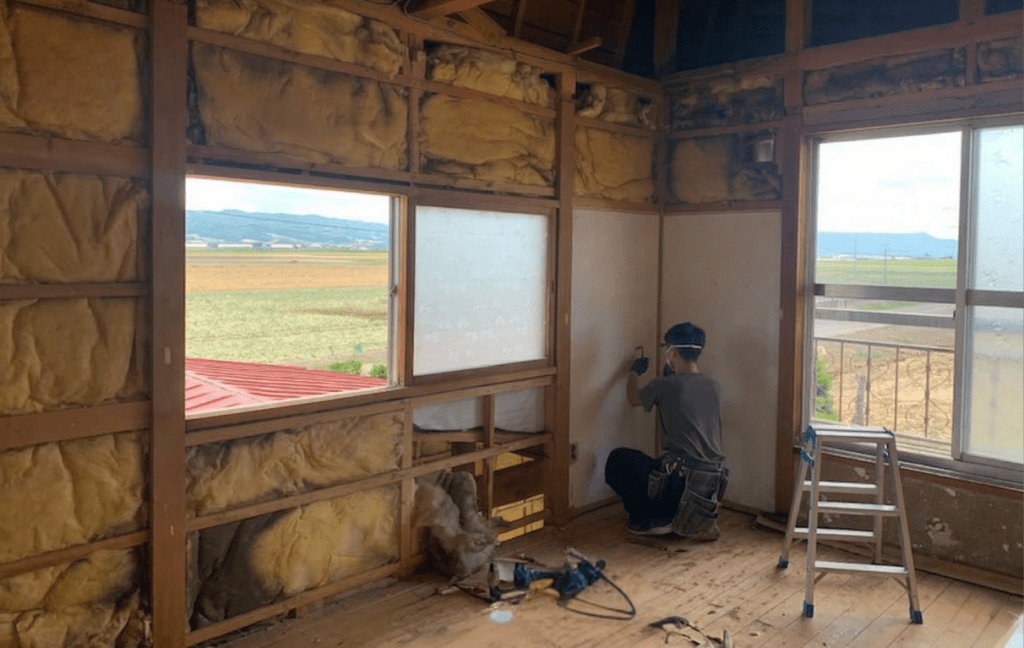
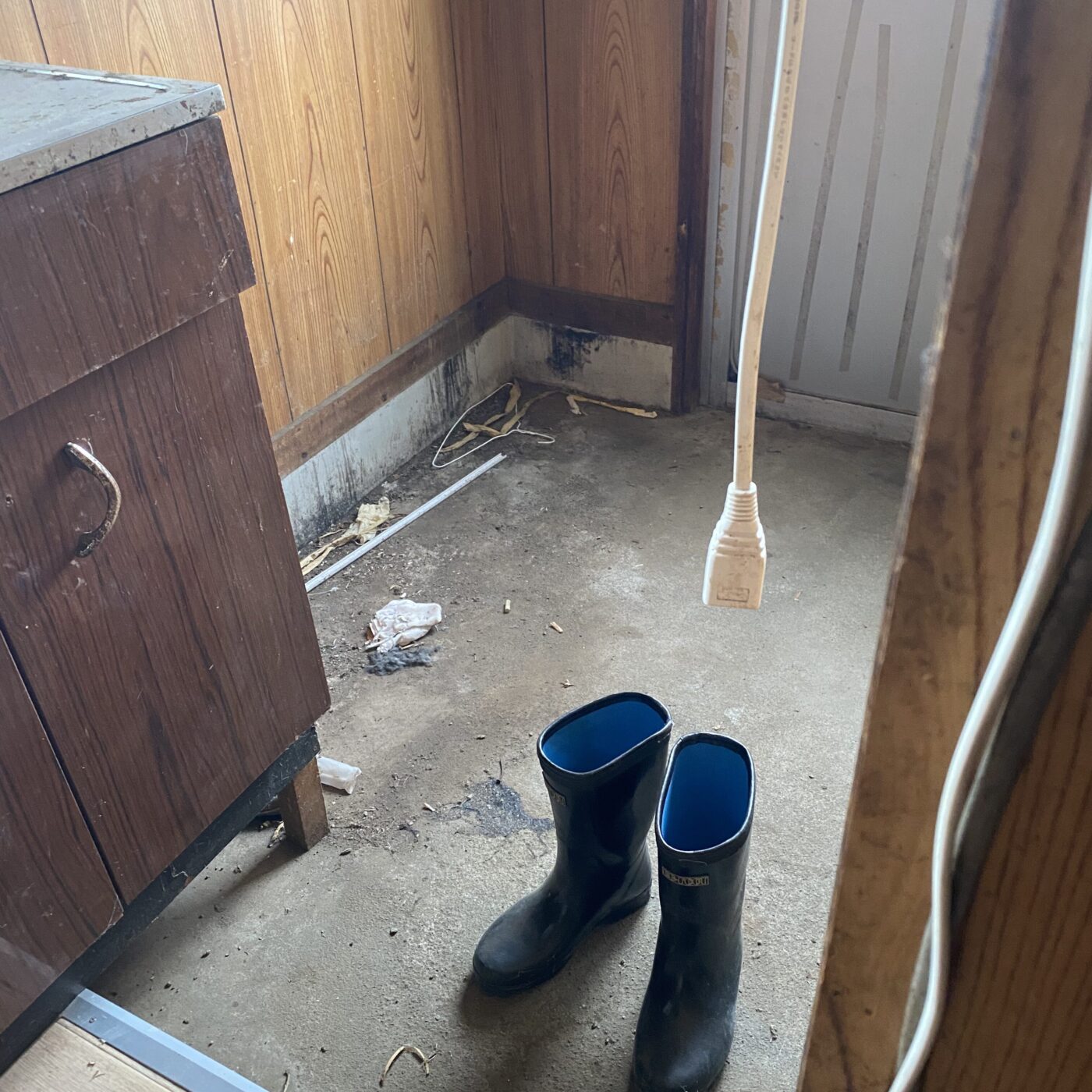
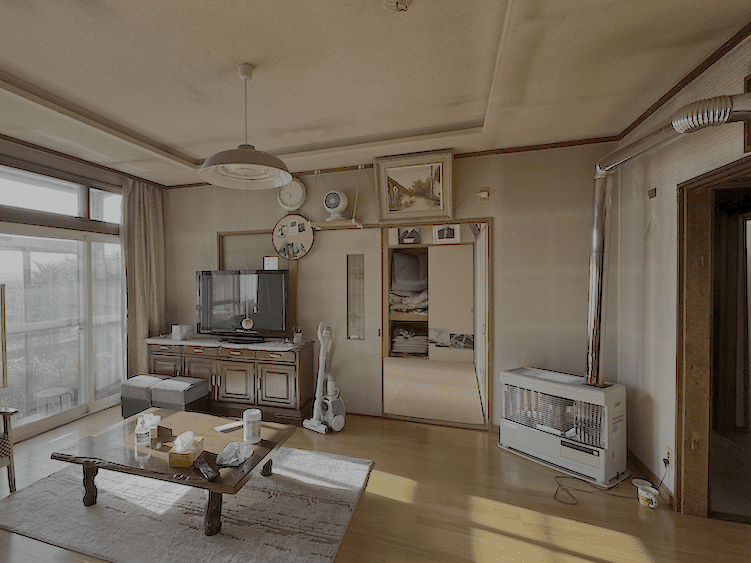
The living room has one heater. Every other room is so cold you can see your breath. The floors feel like ice. And that’s before you find out there’s no insulation under the floor, the foundation needs work, and there’s a back entrance letting in the cold air of a Hokkaido winter like an open window.
This is not a rare story. We hear a version of it regularly.

Before
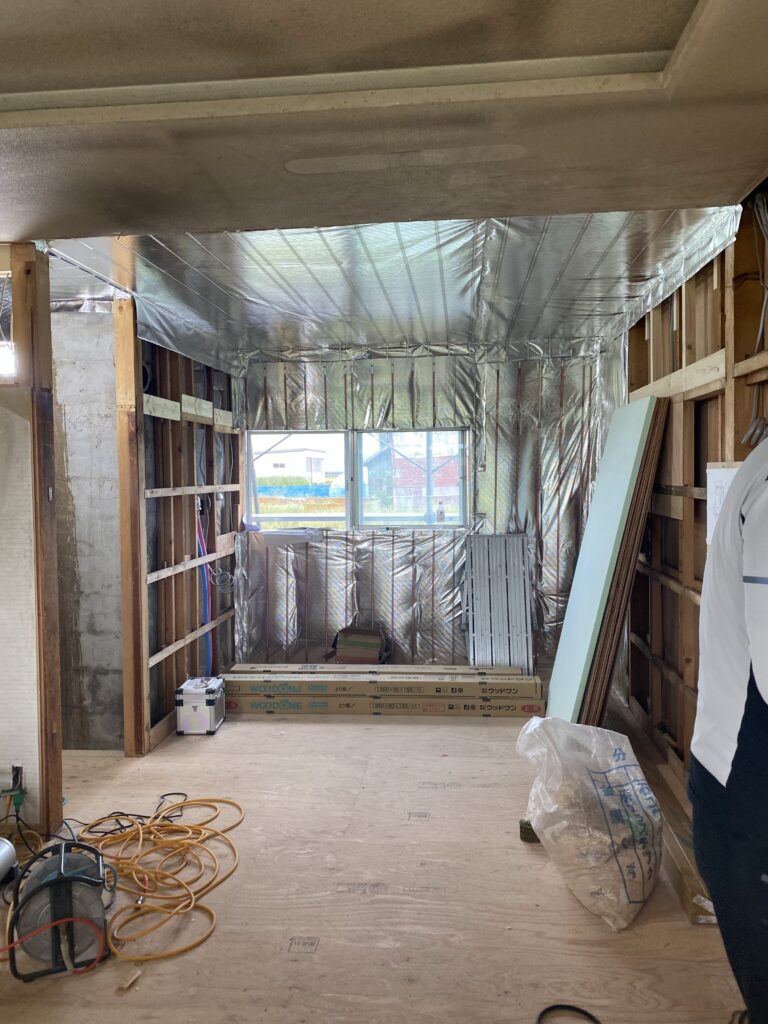
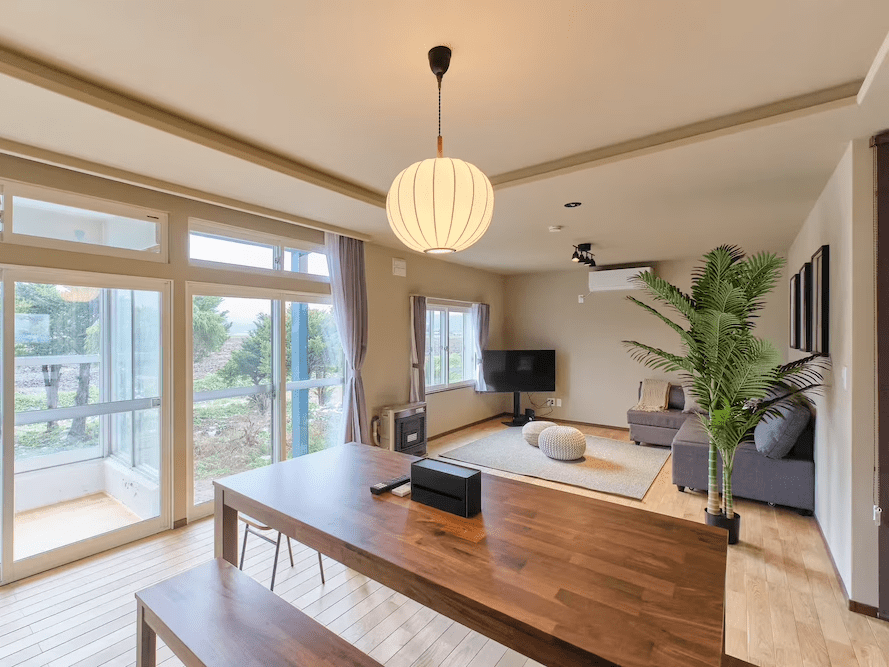
After
Why Hokkaido properties are fundamentally different
Hokkaido’s climate is unlike anywhere else in Japan. Winters in areas like Furano, Niseko, and Kutchan regularly drop to -15°C or below. Snow doesn’t just sit on the roof — it affects foundations, walls, pipes, and how a building holds up over time.
Older properties in Hokkaido — particularly in rural areas — were built for a different way of living. Farmhouses were designed around agricultural use, not year-round comfortable habitation by today’s standards. Many were built before modern insulation requirements existed.
What this means in practice:
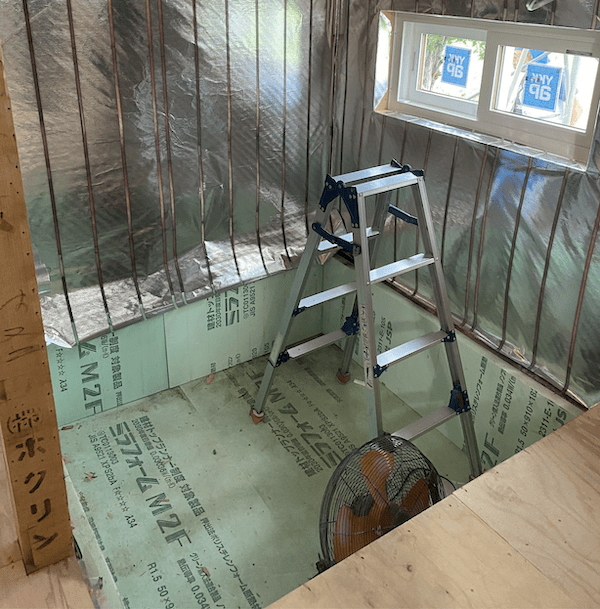
- No sub-floor insulation — cold air comes straight up through the floors
- Heating in one room only — older Japanese homes were heated room by room, usually just the living area. The rest of the house was simply left cold.
- Uninsulated back entrances — multiple entry points designed for farm use, each one a source of heat loss
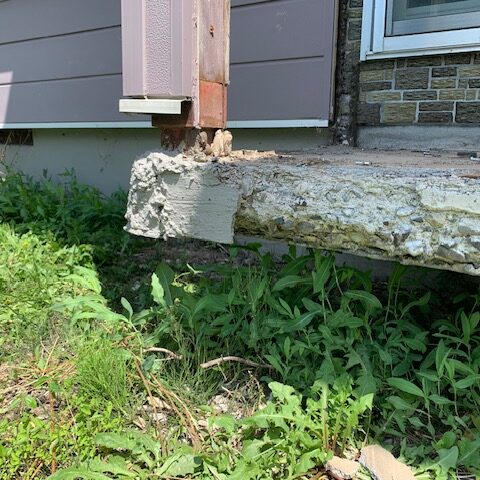
- No foundation — some older rural properties were built directly on the ground, without the structural base needed for a stable, properly insulated home
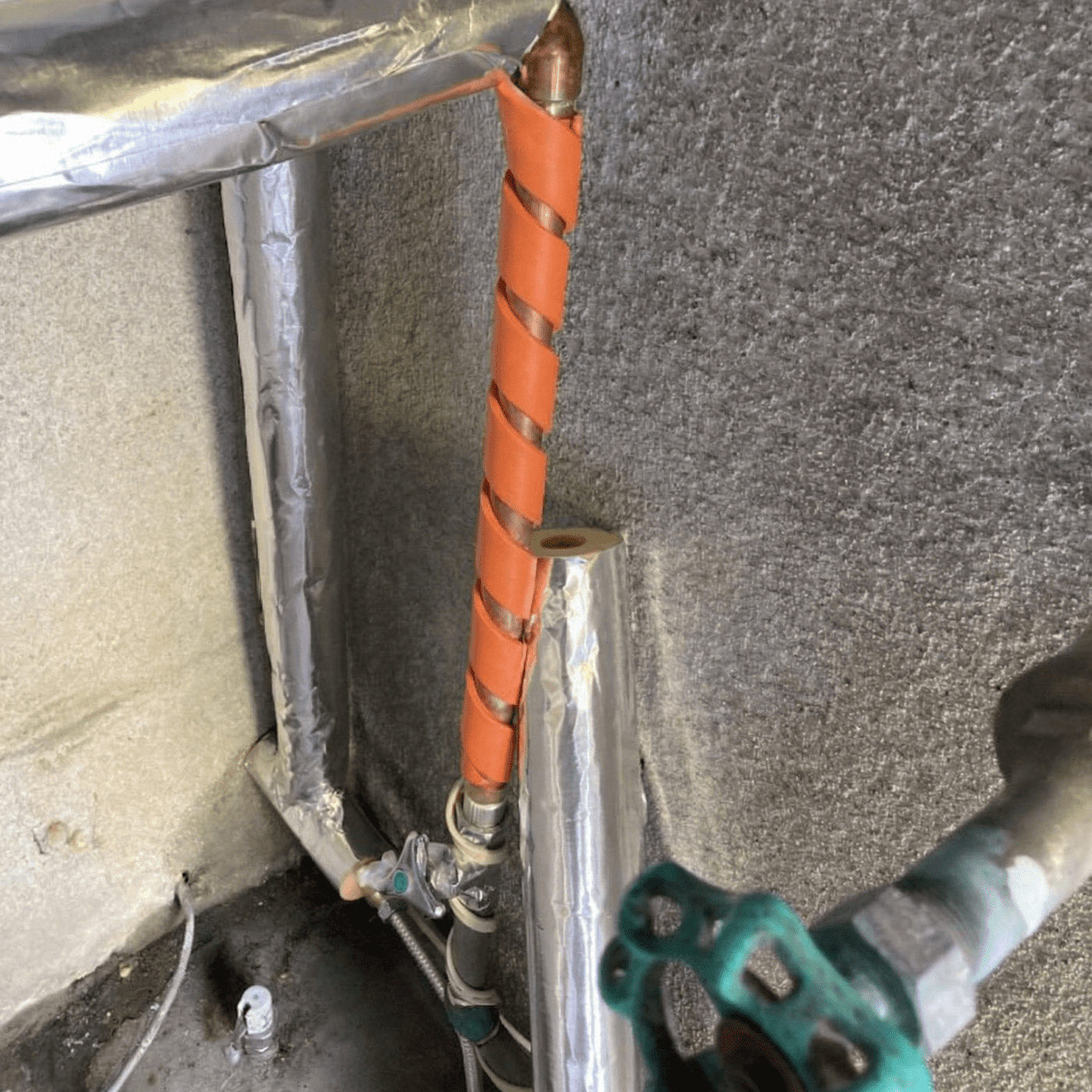
- Exposed water pipes — in temperatures that regularly drop well below freezing, unprotected pipes will freeze and burst
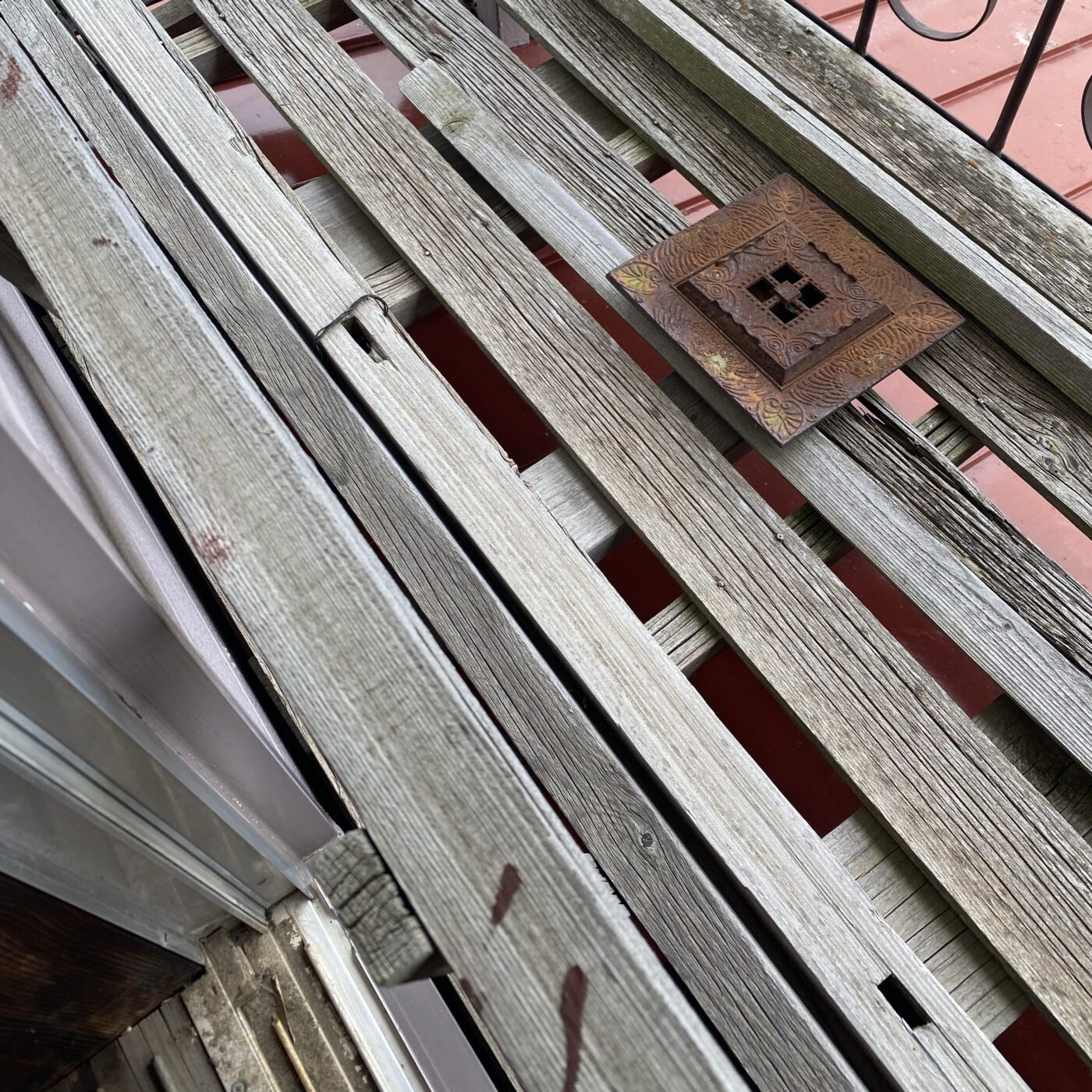
The farmhouse problem in Furano and Niseko
The properties that attract the most international interest — the wide-open farmhouses of the Furano basin, the rural buildings on the fringes of the Niseko and Kutchan resort areas — tend to be the ones that need the most careful assessment before purchase.
These buildings were originally built for farming families. They often have generous floor areas, interesting structural features, and a sense of space and history that modern builds simply don’t have. Renovated well, they can become extraordinary homes or guest properties.
But the gap between “charming in photos” and “liveable in winter” can be significant. Without the right assessment before purchase, buyers can find themselves committed to a property that requires far more work — and far more budget — than they anticipated.
What we’ve actually done?
We’ve worked on properties across Hokkaido where the starting point looked nothing like the finished space. Work we’ve managed includes:
- Sub-floor insulation installed from scratch — bringing floors up to a standard where they’re actually comfortable in winter
- Foundation work — addressing the structural base before any interior work begins
- Sealing and replacing back entrances — removing or insulating entry points that were designed for agricultural use and were major sources of heat loss
- Freeze protection for water pipes — installing heating tape and proper insulation to prevent the freeze-and-burst cycle that damages properties every winter
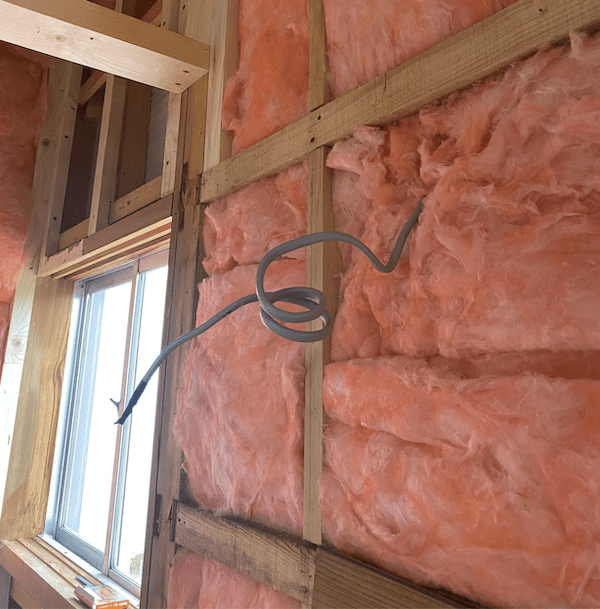
- Kerosene heating lines routed to every room — planned in parallel with the interior layout so the construction and finished space work together from the start
Heating system planning — why kerosene matters
In Hokkaido, kerosene stoves are the most common and cost-effective heating choice for the long winter months. But installing kerosene heating in a renovated space isn’t simply a matter of adding a stove. The fuel lines need to be routed through the right parts of the building — and where those lines go depends entirely on how each room will be used.
Where will the furniture sit? Where do people spend time? Where does the stove need to be to heat the space effectively without being in the way?
This is where having one coordinator across both construction and interior planning makes a real difference. We’ve planned kerosene line placement in parallel with interior layout on multiple projects — so the construction and the finished space work together from the start, rather than against each other.
Why we ask you to reach out before you buy
The most important thing we tell clients who are still in the property search stage: get in touch before you sign anything.
A property that looks like a straightforward renovation can turn into a much larger project once you understand what the building actually needs. Knowing that upfront changes the negotiation, changes the budget, and sometimes changes whether the property makes sense at all.
We’ve helped clients assess properties in Niseko, Kutchan, Furano, and across Hokkaido — not just for how they could look, but for what they would actually cost and involve to bring up to a liveable standard.
Frequently Asked Questions
Can an old Hokkaido property be lived in without insulation work? For short stays, possibly. For year-round comfortable living, insulation is almost always essential — particularly sub-floor, wall, and window insulation. Hokkaido winters are unforgiving, and older properties were not built to today’s thermal standards.
How much does it cost to renovate a farmhouse in Hokkaido? Where the structure differs significantly from a standard home, a full renovation covering insulation, foundation, and heating can require a substantial budget. Costs vary widely depending on the property’s condition, size, and what you want to achieve. Get in touch and we can talk through what’s realistic for your situation.
Can you assess a property before I buy it? Yes. We’re happy to discuss a property you’re considering — by email or in a free 30-minute online consultation. We can give you an honest picture of what renovation might involve and what it’s likely to cost before you commit. Our coordination fee applies after a contract is signed. Initial consultations are free.