
The season most visitors miss
When people think of Furano, two images usually come to mind: the powder snow of January, or the purple lavender fields of July. Between those two headline seasons, the town goes quiet. Flights are cheaper, hotels are easier to book, and the roads are almost empty.
This quiet window — roughly from late March to early May — is what locals call haru-saki, “just before spring.” For anyone who loves Hokkaido beyond the tourist brochures, this is the season worth knowing.
YOUBI recommends April as one of the best times to experience Furano honestly: no crowds, no theme-park version of Japan, just the landscape waking up.
What Furano actually looks like in April
The image most foreigners have of Hokkaido in spring is wrong.
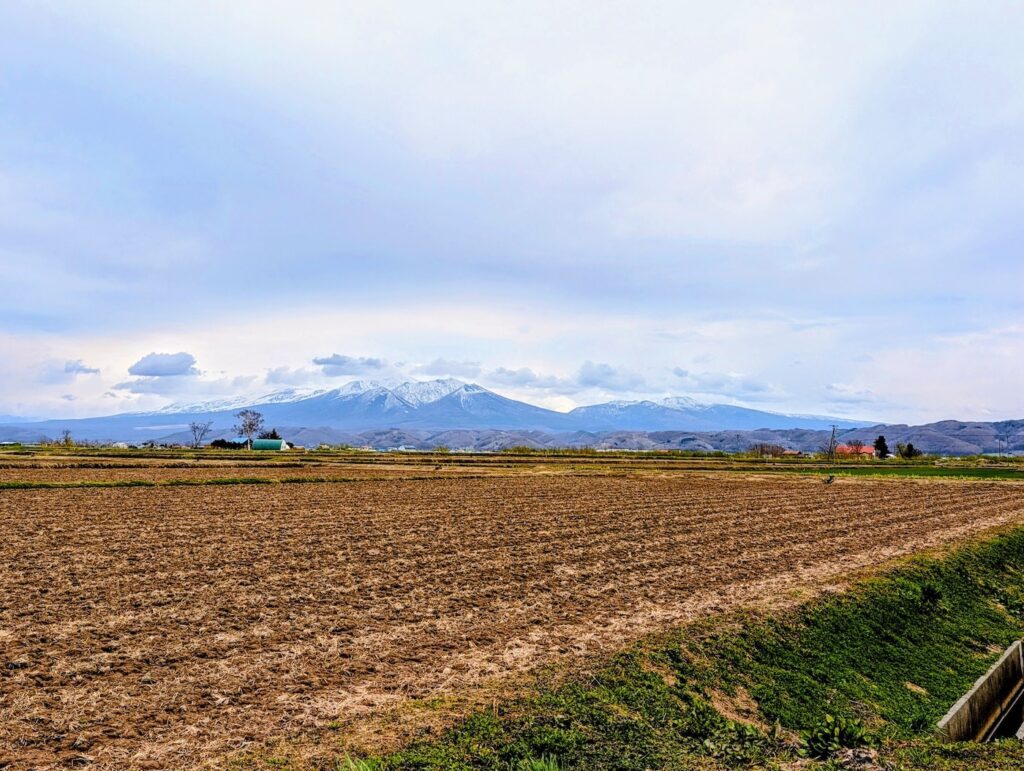
April is not cherry blossoms. The sakura here arrive a full month later than in Tokyo or Kyoto — usually the first week of May. What you get in April instead is something more interesting: a landscape caught halfway between winter and growing season.
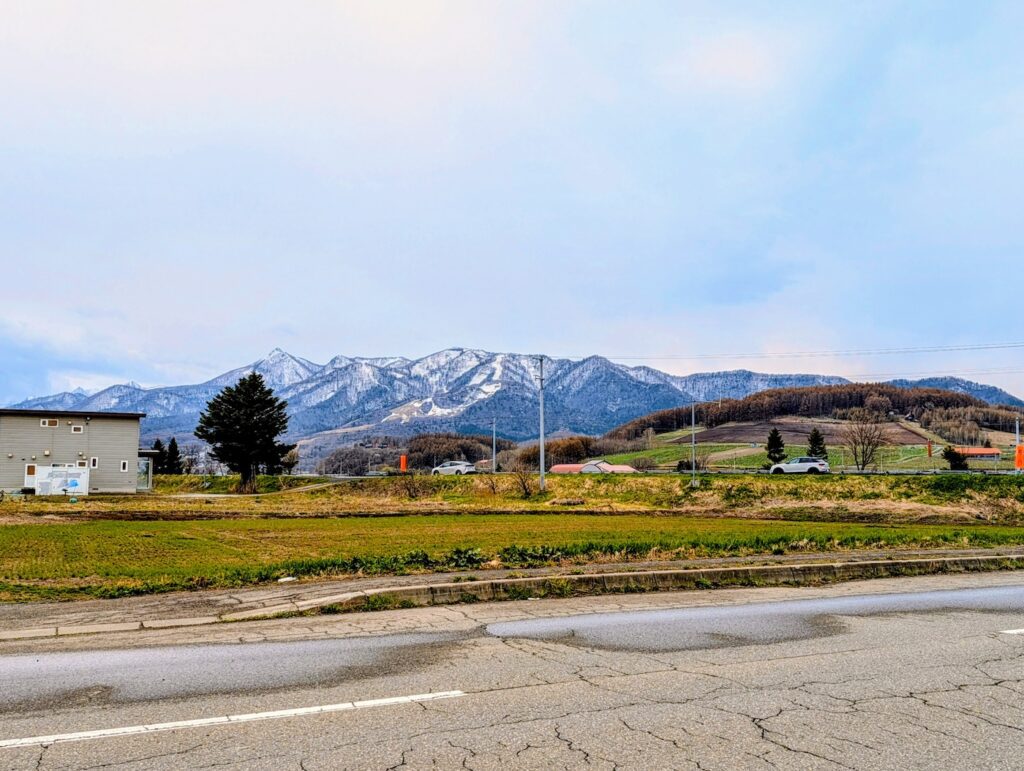
The snow is receding from the fields but still clings to the Tokachi mountain range on the horizon. The rivers are full and fast with snowmelt. The earth in the farm fields is black and exposed, waiting to be tilled. There is no green yet on the trees, but the light has changed — the sun sits higher, the shadows are softer, and the sky on clear days has that particular deep blue that only appears in northern latitudes.
On a clear day, you can see both Mt. Asahidake and Mt. Ashibetsu rising above the farmland — a panorama that most visitors to Furano never see, because they come in seasons when the famous flowers take all the attention.
It is not a pretty season in the postcard sense. It is a working season. The farmers are preparing their fields. The ski resorts are closing down. The town is exhaling.
Five things to do in Furano in April
1. Drive the quiet roads
The tourist traffic of July and the ski shuttles of January are both gone. This is the best month of the year to rent a car and explore the back roads between Furano, Biei, and Kamifurano. The patchwork farmland that Biei is famous for looks completely different in April — bare earth instead of flowers — but arguably more striking for it.
YOUBI recommends renting from Asahikawa Airport rather than Sapporo; the drive into Furano is shorter, and you pass through some of the best scenery on the way.
2. Have coffee at cafe Goryo
Hidden in the farmland of Kami-goryo, about ten minutes by car from central Furano, cafe Goryo is one of those places that rewards people who explore beyond the main tourist circuit.
The building itself is the story: a 90-year-old farmhouse that the owners renovated themselves, keeping the original beams and adding large windows that frame the surrounding fields. The coffee is single-origin, roasted in-house — East Timorese beans, carefully sourced. The food is local and seasonal: vegetables, mushrooms, dairy from nearby farms.
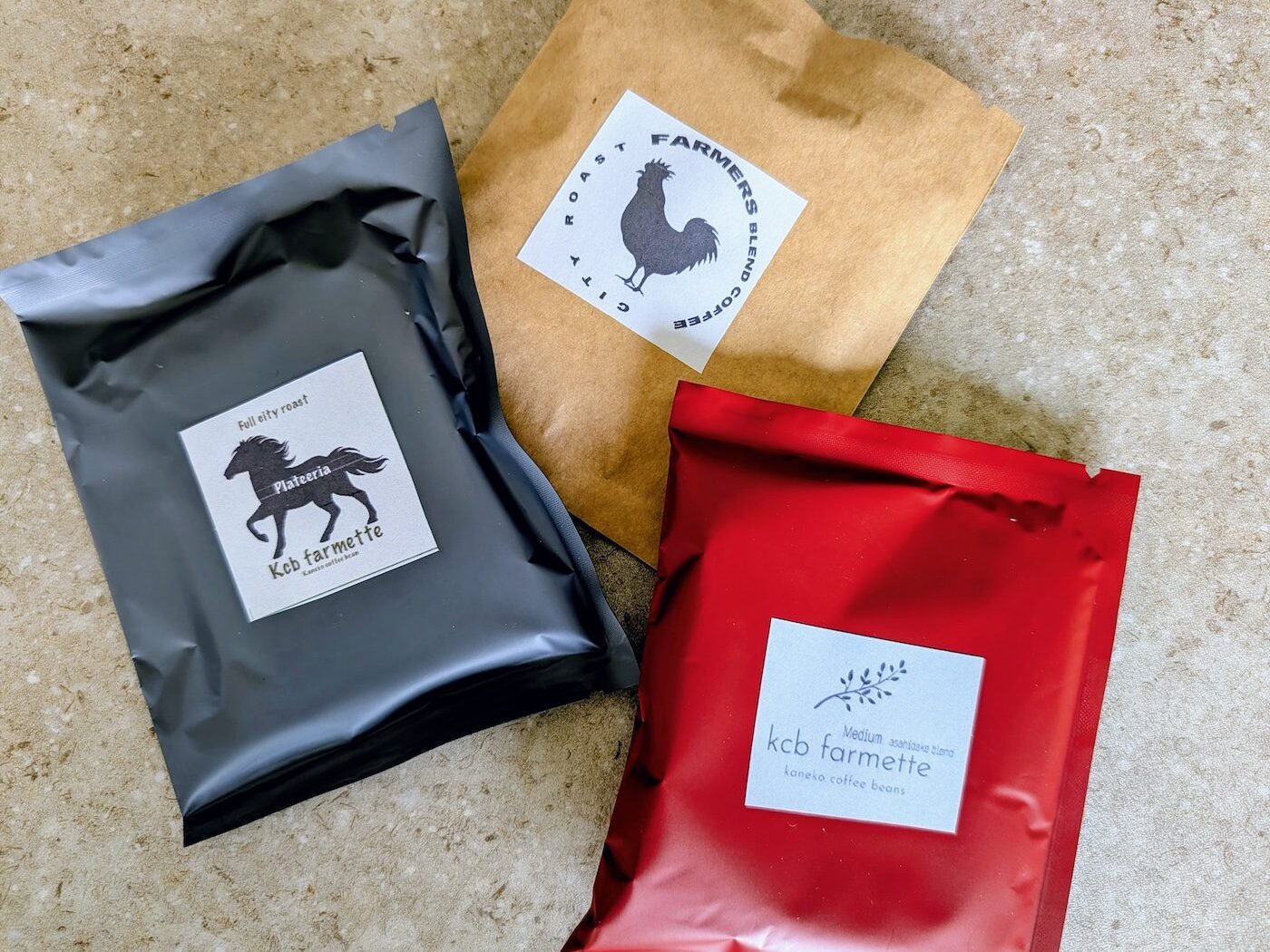
For those who want to take something home, cafe Goryo sells their coffee beans in individual portions — a practical souvenir that travels well and keeps the flavour intact. Worth picking up a few bags on the way out.
Instagram: @cafe_goryo / Web: goryo.info
3. Eat pizza at Cafe Tekuri
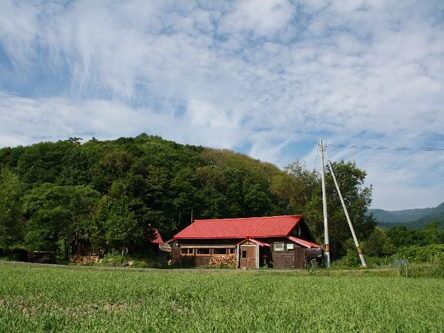
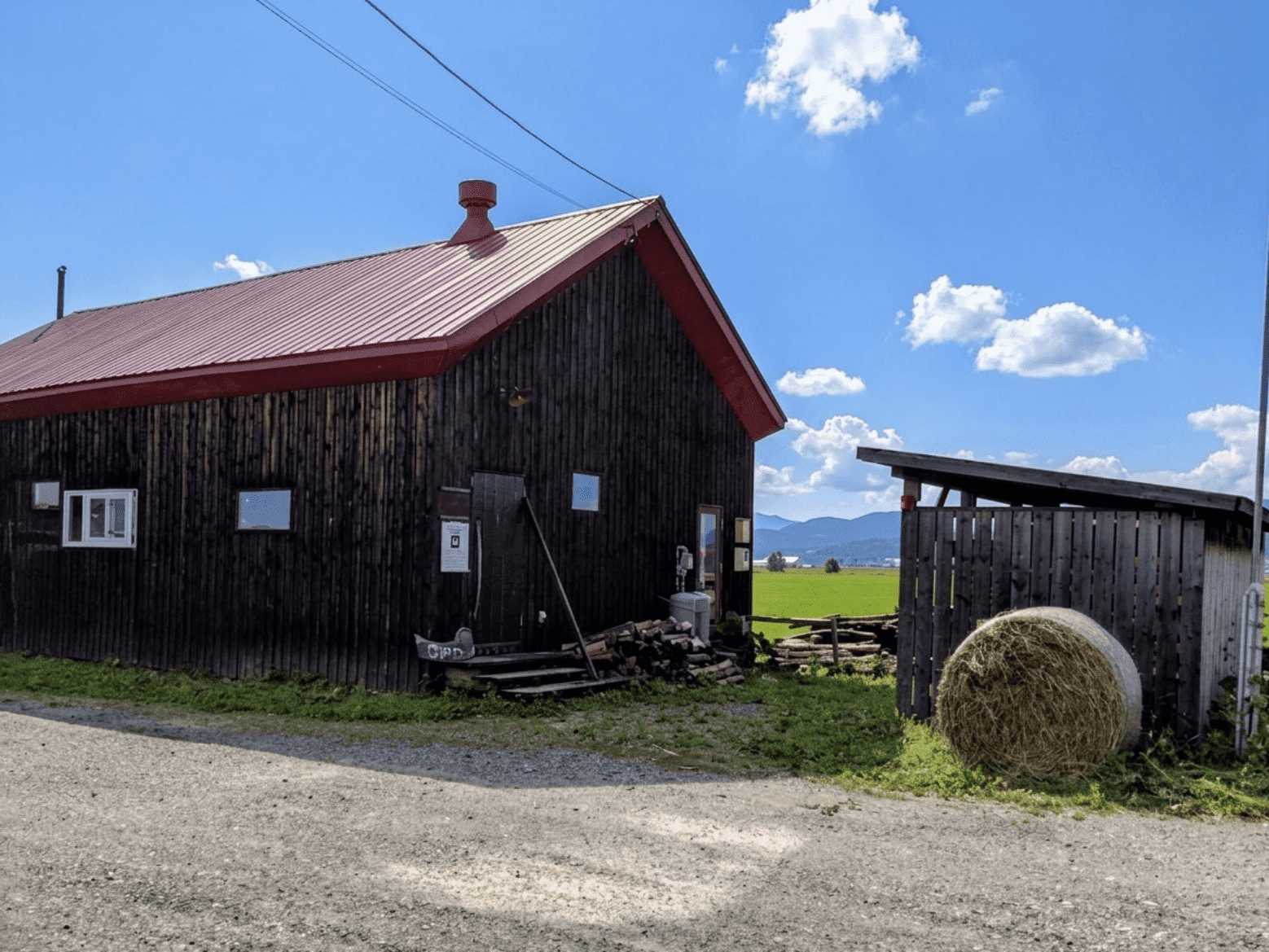
Cafe Tekuri sits in the middle of rice fields in Nakafurano, a red-roofed building that you could easily drive past without noticing. That would be a mistake.The building is a former farm shed, renovated by the owners themselves — ceiling opened up, large windows cut in on all sides. The result is a space that feels both rustic and considered. On a clear day, the view from those windows takes in the full sweep of Mt. Tokachidake and Mt. Ashibetsu.
The pizza is made from Tokachi wheat and natural yeast, hand-kneaded and baked in a stone oven that the owners built themselves, brick by brick, using materials sourced from a local pottery kiln. The toppings change with the season — local vegetables, mushrooms, Hokkaido pork. The pasta is equally good.
Tekuri is not always open, so check their Instagram before visiting: @cafe_tekuri. Reservations are recommended in peak season. In April, you can usually walk in.
4. Visit the farms before the season starts
Furano’s asparagus farmers are preparing for the season. Many are happy to talk to visitors during this quiet period — the pressure of the harvest months hasn’t started yet.
By late April, the first white asparagus stalks push up through the soil. Furano’s asparagus has a devoted following across Japan — online pre-orders sell out before the season even peaks — so eating it here, fresh and in season, is something worth planning around.
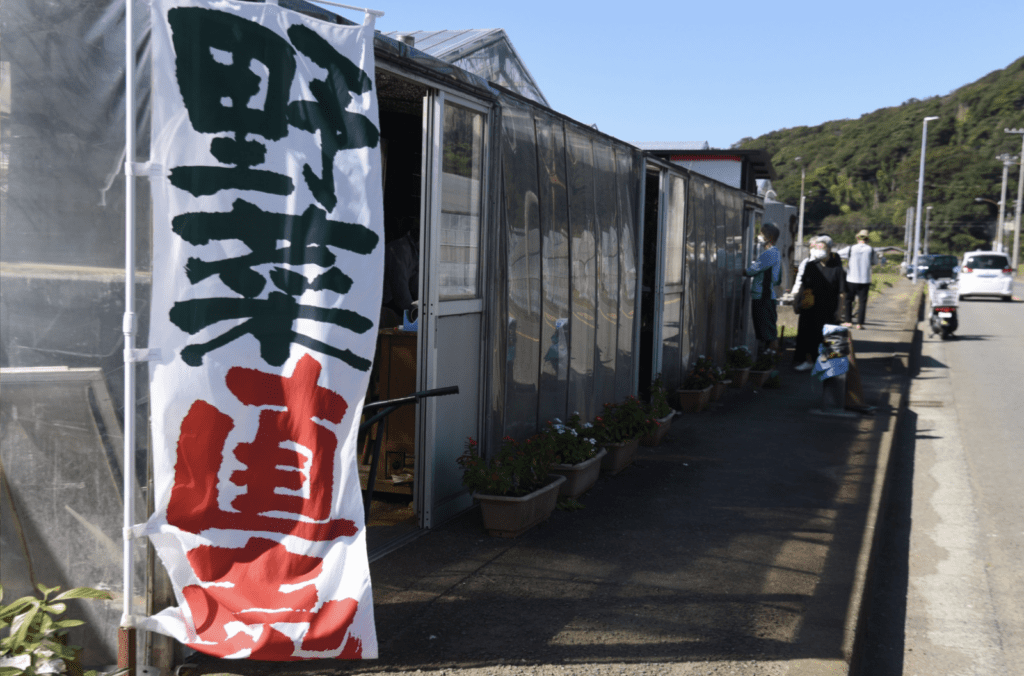
One of the small pleasures of driving the back roads in late April is finding a roadside farm stand. Farmers set up simple stalls in front of their properties and sell directly to passing drivers. There is no system to it — you spot a hand-painted sign, pull over, and buy whatever is there. The asparagus tends to go quickly.
5. Start planning the rest of the year
For anyone considering a longer relationship with Furano — a second home, a vacation rental, an investment property — April is the best month to visit. The landscape is stripped back, so you can see what a property actually looks like without the lavender filter. You can walk the streets without crowds. You can talk to local agents and contractors who have time for a real conversation.
There is another reason April works well for property searches in Japan specifically. In Japanese culture, April marks the start of a new cycle — the fiscal year begins, school terms open, companies transfer employees. It is the season when people move. That means the real estate market is active, agents have fresh listings, and motivated sellers are easier to find. For a foreign buyer, arriving during this window means more options on the table and more people willing to talk.
Practical notes
- Weather: Daytime around 8–15°C, nights still close to freezing. Bring layers.
- Snow: Mostly gone from the valleys, still heavy on the peaks. Higher-elevation roads may remain closed until late April.
- Flights: Domestic flights into Asahikawa are significantly cheaper than peak season.
- Accommodation: Most hotels are open at low occupancy — easy to book, often with spring discounts.
A quieter Hokkaido
Furano in April is not for everyone. If you want the lavender and the powder snow and the postcard version of Hokkaido, come in July or January.
But if you want to see how the place actually lives — the farmers preparing, the restaurants serving what they really eat, the mountains still capped in white above open fields — this is the month.
It is also, for what it’s worth, the month most of the locals would choose themselves.
YOUBI is a Hokkaido-based renovation and interior design practice working with foreign property owners across Furano, Niseko, Biei, and Sapporo. If you’re considering a property in Hokkaido and want a conversation without the sales pressure, get in touch.