
Winterizing Your Hokkaido Home — What You Need to Know
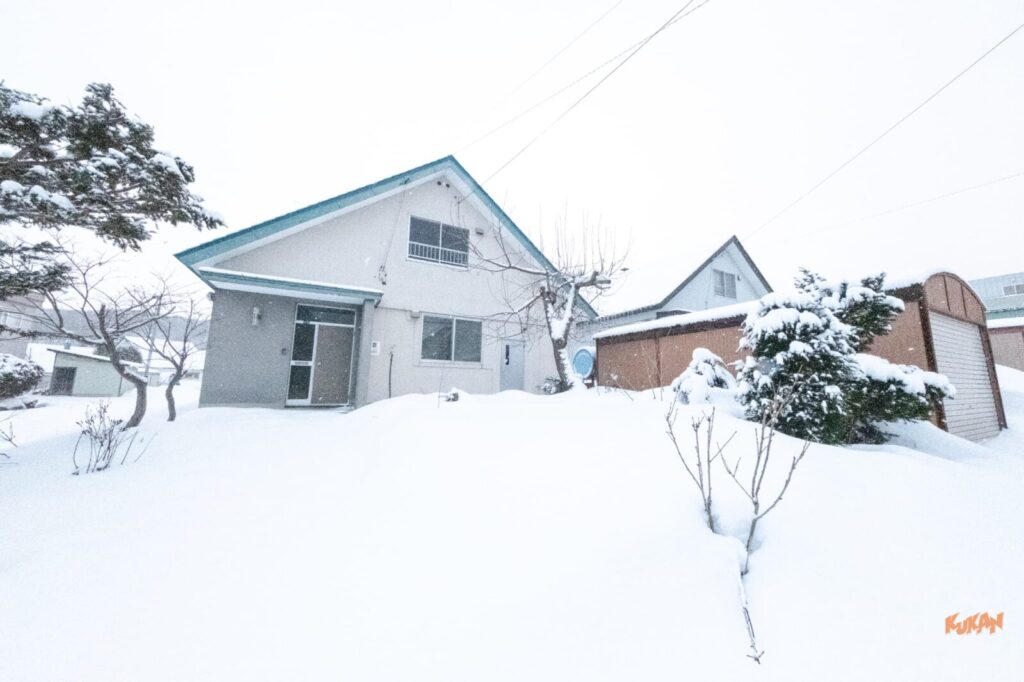
The first winter is when a Hokkaido house tells you what it is really like.
If you have bought a property and will not be there between December and March, a few decisions made in November can save you from a very expensive spring.
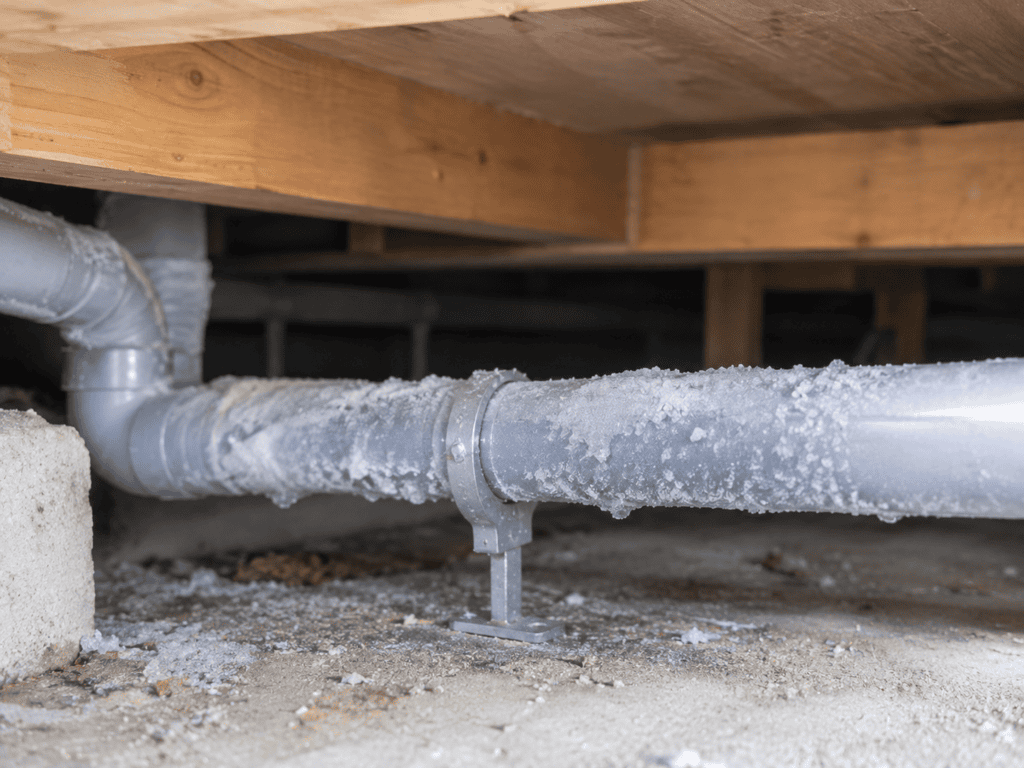
The most common problem in empty houses here is frozen or burst water pipes. It is also the easiest one to prevent.
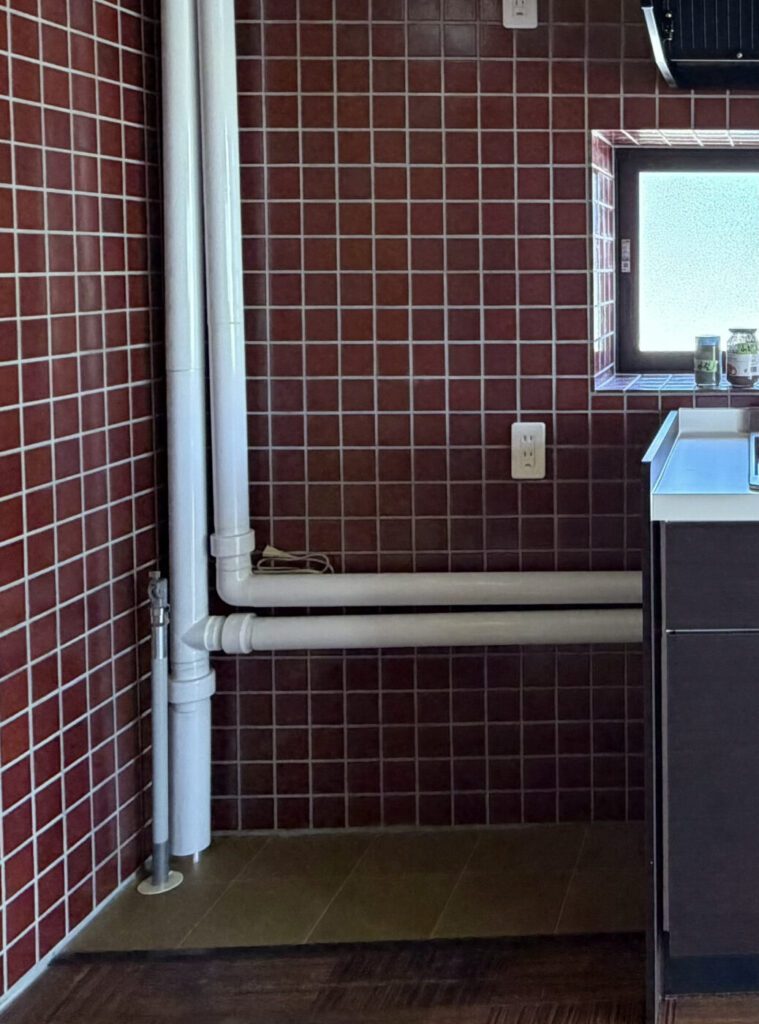
01 Prepare the water system before winter
There are two basic approaches, and the right one depends on how the house is built and how often someone can visit.
- Drain the water system
Many Hokkaido houses have a drain valve (mizunuki-sen) so the pipes can be emptied before winter. The hot water tank, toilet cisterns and traps also need attention. Ask a local plumber to do this the first time, so you know it is done properly. - Keep a low, steady temperature
The heating stays on at a minimum setting so pipes never freeze. This works, but it depends on fuel supply and on the equipment running reliably for months.
Neither is better in every case.
What matters is that you choose one on purpose, and that someone can confirm it is working.
02 Check the heating and fuel
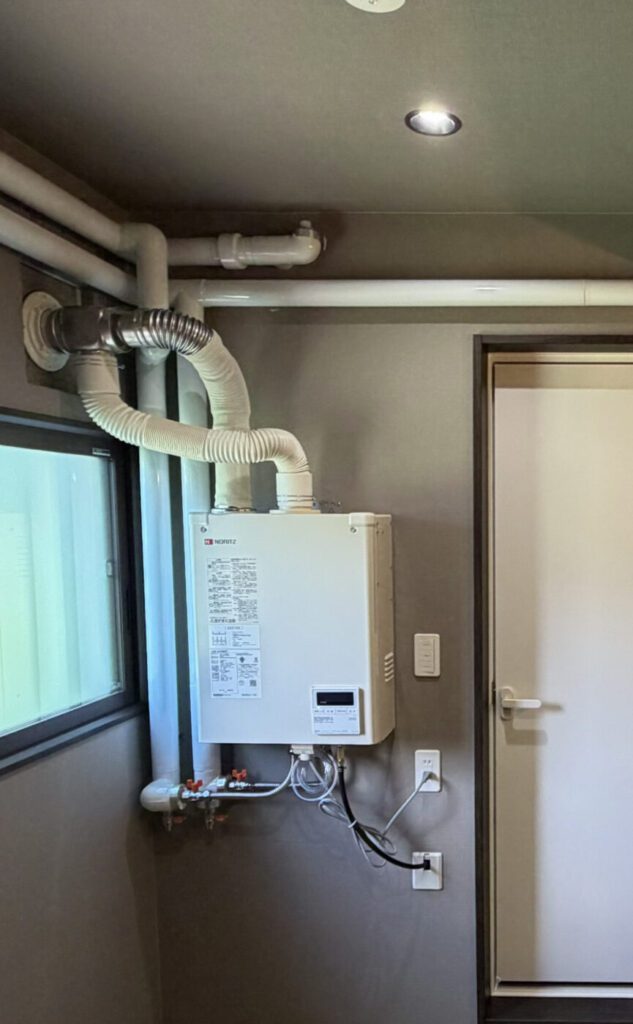
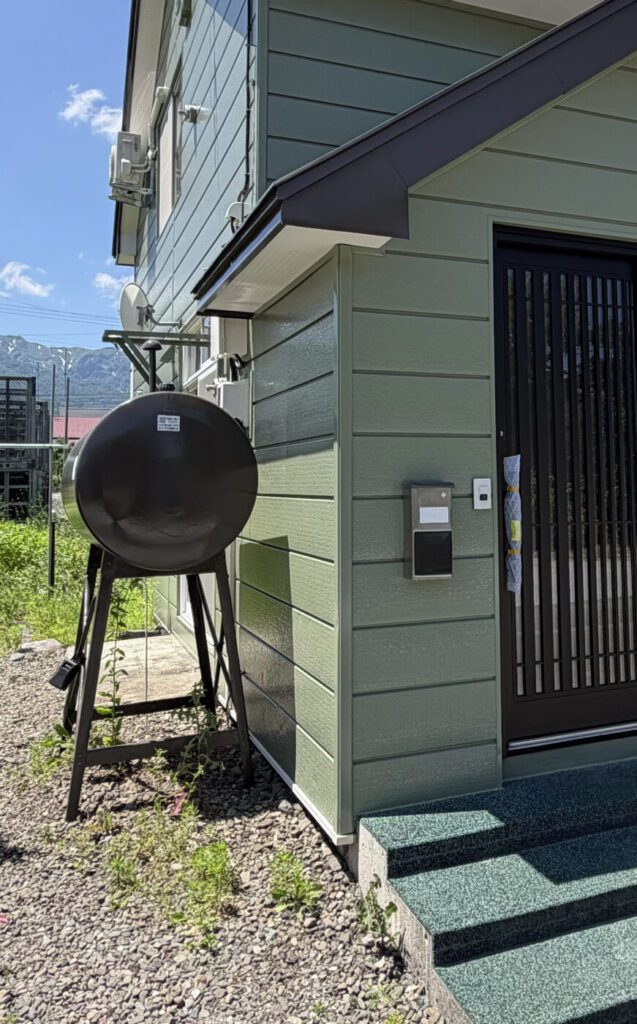
Many houses here use a kerosene boiler.
Before winter, have the boiler serviced, check the condition of the kerosene tank, and set up a delivery arrangement if you plan to keep the heating running.
An empty tank in January is the same as no heating.
Running a heating system with an empty kerosene tank can damage the equipment.
What may seem like a small oversight can lead to costly repairs in spring.
03 Plan for snow
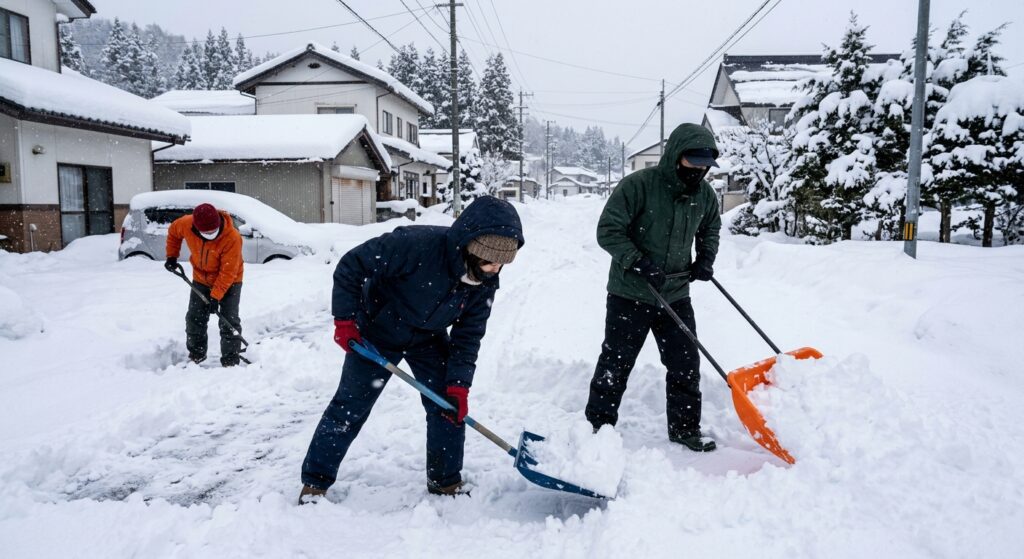
Heavy snow affects the roof, the entrance and your neighbours.
Arrange snow clearing for the driveway and entrance in advance, because services fill up quickly after the first big snowfall.
Also look at how snow slides off your roof, since it can land on a neighbour’s land or on the road.
This is worth checking before it becomes a conversation you have to have after the fact.
04 Have someone local check the house
A house that nobody sees for four months is a risk, however well it is prepared. Arrange a regular visit, and an extra one after heavy snow or a hard cold snap. A caretaker, a local contractor or a property management company can do this. Some owners also add a simple remote temperature sensor.
05 Check your insurance
Confirm what your policy covers for water damage and for snow. Policies differ, and it is better to learn this now than after a claim.
A short checklist
- Water drained, or heating plan confirmed
- Boiler serviced, kerosene tank and delivery arranged
- Snow clearing booked
- Someone local assigned to check the house
- Insurance confirmed
If this is your first winter as an owner, or you are not sure what condition the pipes and heating are in, YOUBI can coordinate the checks and connect you with trusted local tradespeople, in English.
Quick answer
What should I do before leaving a Hokkaido home empty?
Arrange the correct water-draining procedure or a professionally checked freeze-protection plan, confirm snow removal and give a local contact access to the house. Heating alone can fail during power cuts or fuel shortages.
Frequently asked questions
Can I turn off all the heating?
Only after someone familiar with the specific plumbing, boiler, traps and appliances confirms the property is safely winterized.
Turning off a heater without draining vulnerable equipment may cause damage.
Does the water-drain valve empty the entire house?
No. The hot-water equipment, toilet, washing machine and traps may each need a separate procedure; follow manufacturer instructions and your plumber’s advice.
How much does winterizing a house cost?
There is no reliable nationwide standard price for this combined service. Request separate estimates for the plumber’s visit, equipment maintenance, caretaker visits and snow clearing. Driveway size, location and snowfall change the cost substantially.
How often should someone visit?
There is no universal statutory visit interval for all vacant homes. Agree a risk-based schedule and additional checks after major snowfall or severe cold, taking insurance conditions into account.
YOUBI DESIGN can coordinate local plumbers, snow contractors and condition checks, and give an overseas owner one clear list of next actions; technical work is done by relevant specialists.
Before you leave
A practical winter handover checklist for owners living abroad
Before leaving, take photos of the main water stop, drain valves, boiler controls, fuel gauge and electrical panel. Record who holds the keys, who can authorize emergency work, the maximum emergency spend that may be approved, and how the owner will receive photos and invoices. If a local manager is arranging the work, establish whether utility contracts remain in the owner’s name and whether the manager can lawfully pay the bills.
What actually needs draining?
Sapporo Waterworks explains that turning the drain valve is only part of the process:
taps and any air-inlet/drain taps must also be operated according to the system, and water heaters require their own manufacturer’s procedure.
Toilets need separate attention, including the tank and water in the bowl. Have a qualified local plumber confirm the procedure for this exact house and equipment.
Do not pour unsuitable antifreeze into plumbing or heating equipment.
What if a pipe freezes?
Do not apply an open flame or pour boiling water directly onto a pipe. Isolate water where safe and call an approved repair contractor if there is damage. A vacant house needs an agreed emergency contact even when all precautions have been taken.
Source: Sapporo Waterworks, water-draining procedures https://www.city.sapporo.jp/suido/riyosya/faq/toketu_02.html and frozen-pipe response https://www.city.sapporo.jp/suido/riyosya/faq/toketu_03.html