Buying a resort property in Hokkaido, using it yourself while running it as a vacation rental — more and more foreign investors are arriving with exactly this plan. But without the right checks before purchase, unexpected renovation costs and licensing hurdles can quickly derail even the best intentions. This guide is based on years of coordinating renovations across Hokkaido, and covers what we believe every buyer should know before signing anything.
1. Is an older property worth buying in Hokkaido?
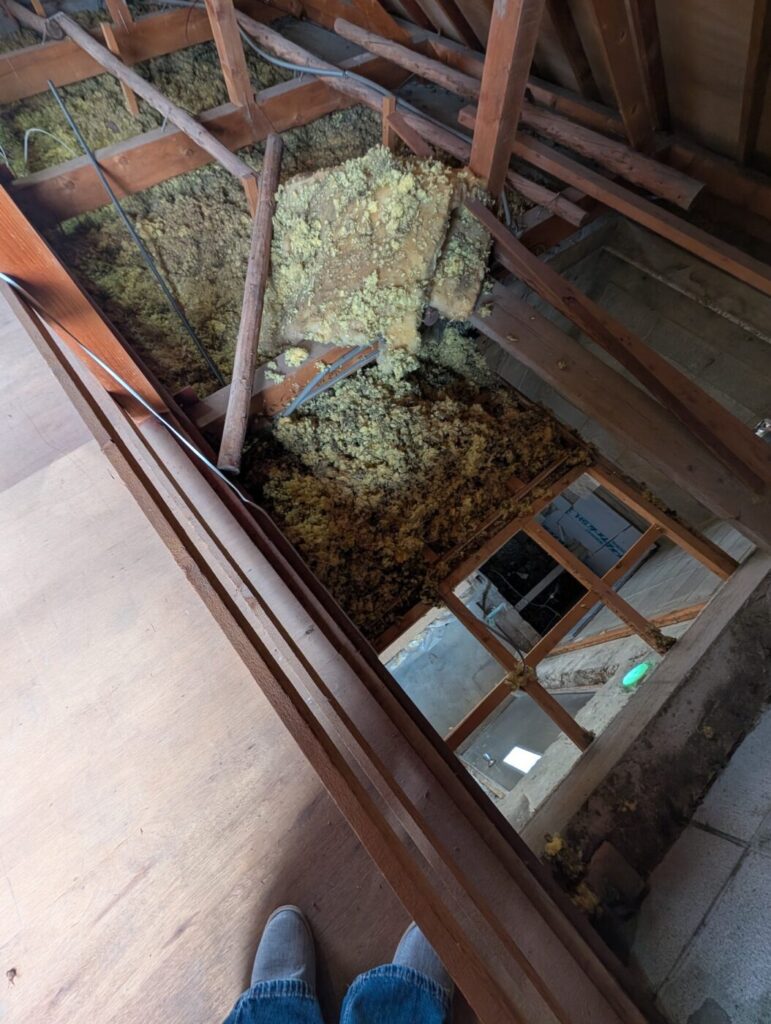
Older properties in Hokkaido often fall far below modern insulation standards. Buildings from the 1980s or earlier frequently have little to no insulation in the walls, floors, or ceilings. Even if a property looks well-maintained, without proper insulation work, winter heating bills can easily exceed ¥100,000 per month.
Buildings constructed before 1981 were built under Japan’s old seismic standards, and require more thorough investigation to understand the gap with current requirements. That said, older properties are often located in the best spots — established neighborhoods, prime views, convenient access. Rather than dismissing them outright, the right approach is: the older the building, the more carefully you need to understand what work is required and what it will cost. We recommend engaging a contractor with proven experience in seismic assessment and retrofitting before committing to a purchase.
Checklist:
- Confirm year of construction and which seismic standard applies (pre- or post-1981)
- For pre-1981 buildings, arrange a structural survey with a qualified contractor before purchase
- Check whether insulation exists and what type it is
- Inspect the exterior walls and roof for snow load capacity
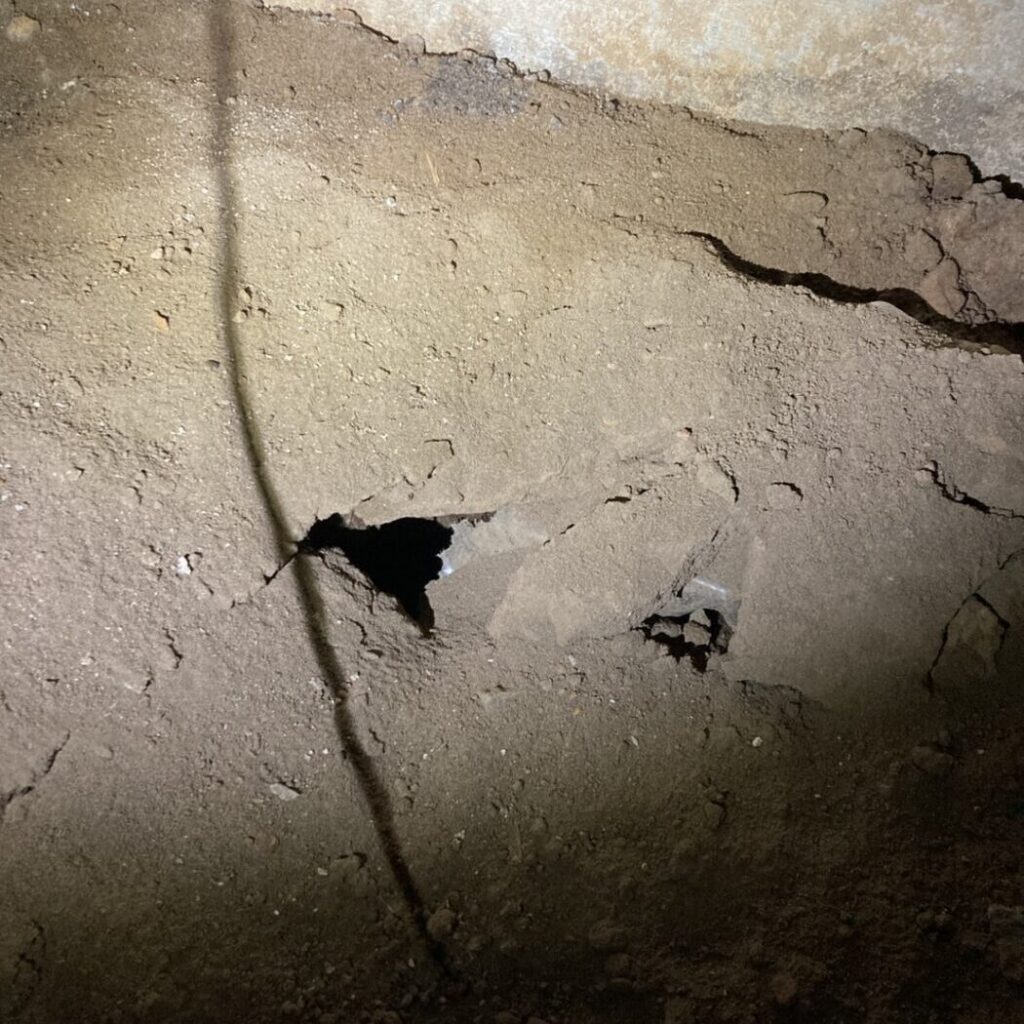
- Look for cracks or subsidence in the foundation
2. What risks are specific to Hokkaido properties?
Hokkaido properties carry risks that simply don’t exist in Tokyo or Osaka. Buyers who overlook these often find renovation costs running two to three times their original estimate.
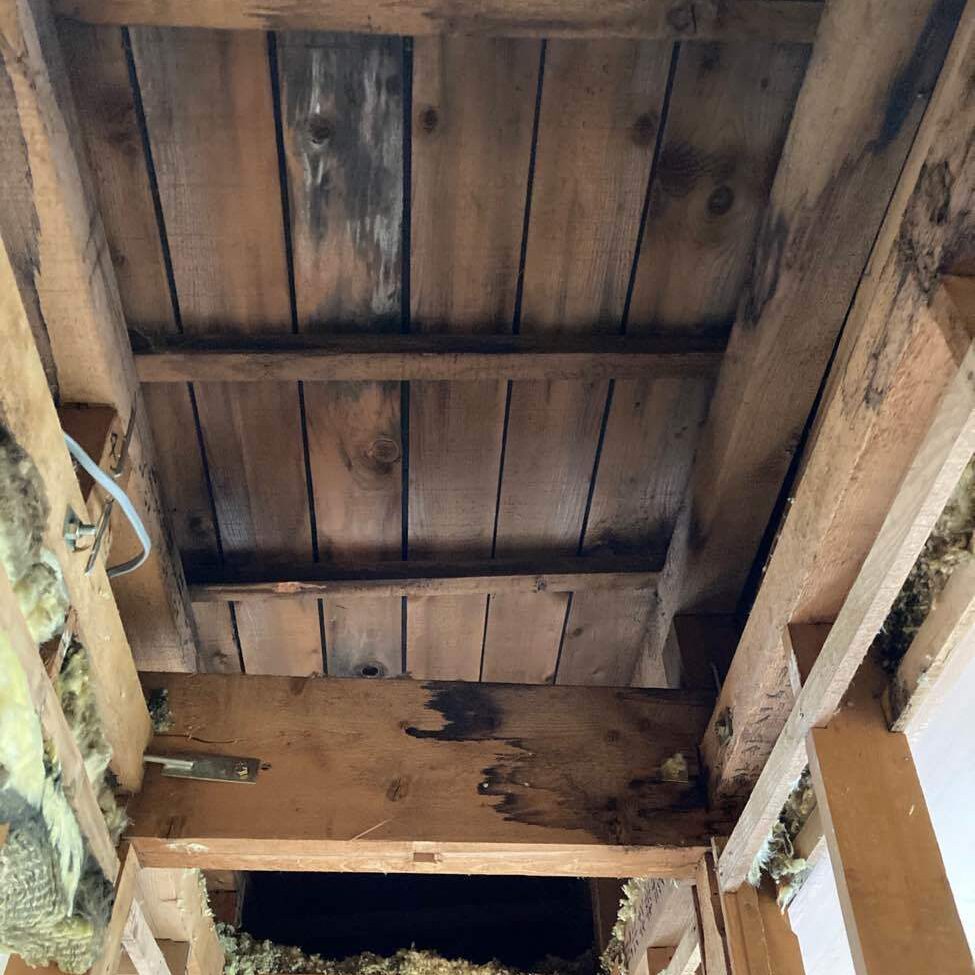
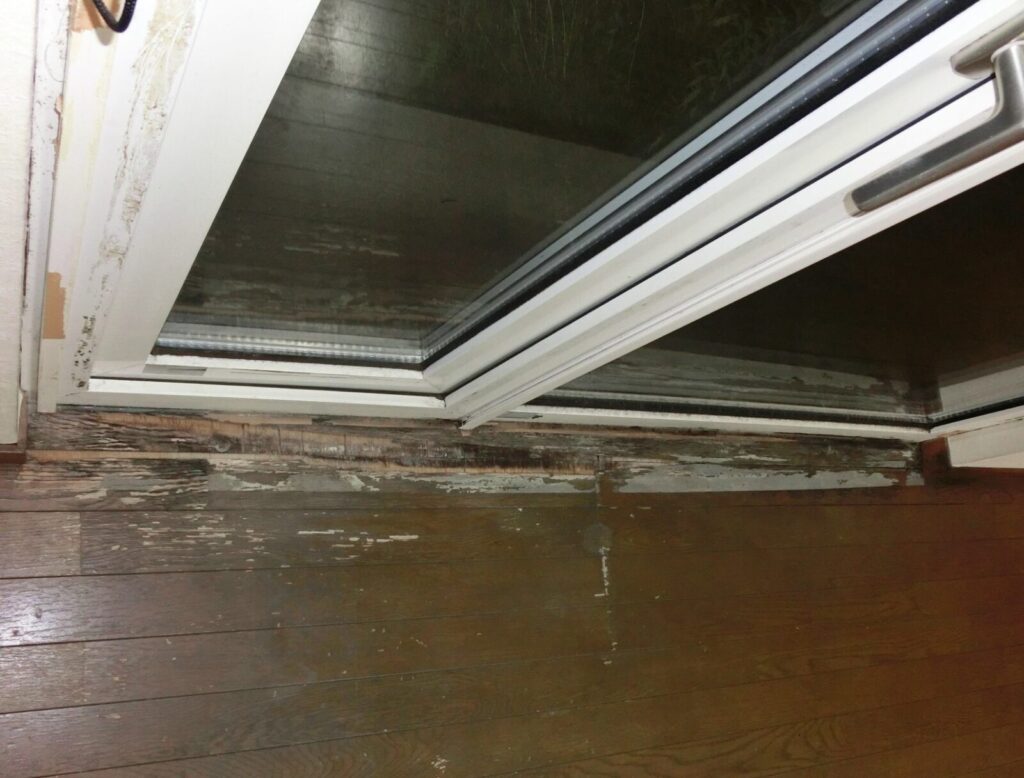
Frozen and burst pipes Properties that have sat vacant for extended periods very commonly have frozen or burst water pipes. The under-floor pipework is particularly hard to assess during a viewing. Repairs can run anywhere from several hundred thousand yen to over a million, depending on the extent of the damage. A professional inspection before purchase may be recommended in some cases.
Snow load on the roof Areas like Niseko and Furano receive exceptionally heavy snowfall. The structural capacity of the roof to bear this load — and the safety of guests if the property is used as a vacation rental — must both be confirmed.
Heating systems Kerosene boilers are the standard heating solution in Hokkaido. Check the age and condition of the boiler and the fuel tank. Replacement, if needed, typically costs between ¥1,000,000 and ¥1,500,000 depending on the system.
What you can see during a viewing is just the surface. In our experience, the most significant costs in Hokkaido properties are the ones you can’t see.
3. Can any property be licensed for vacation rental?
Operating a vacation rental in Japan requires a permit under either the Minpaku Law (住宅宿泊事業法) or the Ryokan Business Law (旅館業法). Which route you take will significantly affect both the renovation scope and the total cost.
Minpaku Law (Residential Accommodation Business Act) Allows up to 180 nights of operation per year. Relatively straightforward to obtain, but some municipalities — including areas around Niseko and Furano — have additional restrictions on operating days or seasons. Always confirm local conditions with the relevant municipal office before purchase.
Ryokan Business Law (Simple Lodging) Allows year-round operation, which significantly improves revenue potential. However, it requires the installation of fire safety equipment — automatic fire alarms, emergency lighting, and more — which adds substantially to renovation costs. Some property types make this permit difficult or impossible to obtain.
Checklist:
- Confirm that vacation rental operation is permitted in the property’s municipality
- For Ryokan licensing, check whether fire safety equipment installation is structurally feasible
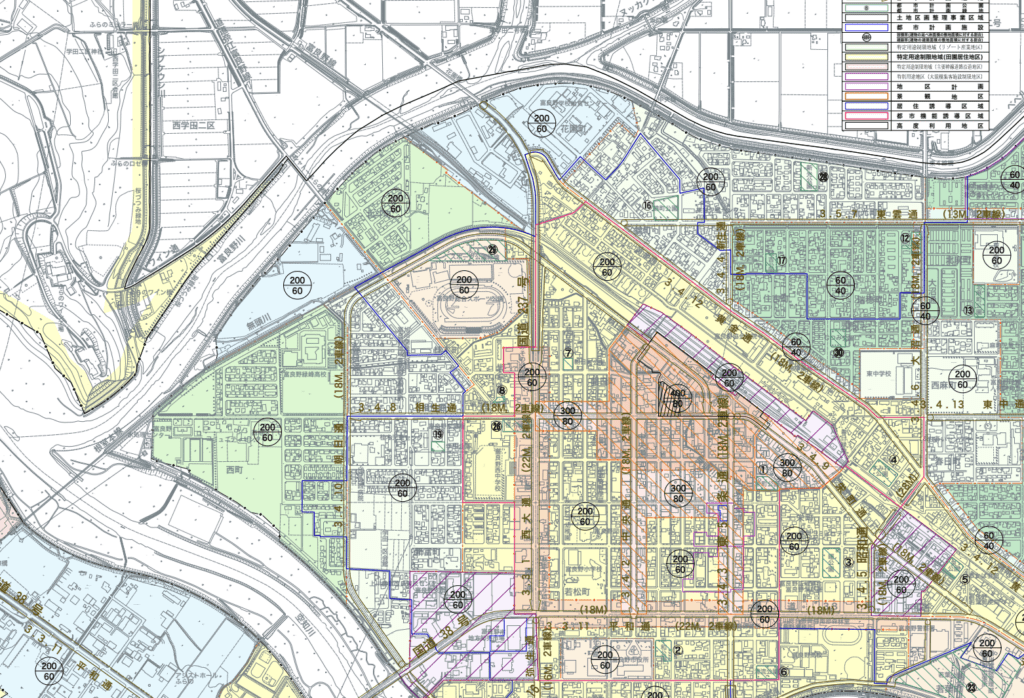
- Verify the zoning category (residential-only zones may prohibit Ryokan licensing)
- Review the terms of any property management or operational support agreements
4. How much does renovation in Hokkaido actually cost?
Renovation in Hokkaido tends to cost more than in other parts of Japan. The main reasons: insulation work is non-negotiable, the pool of skilled tradespeople is limited, and material logistics add cost.
For vacation rental use in particular, the plumbing and bathroom count needs to be higher than in a standard home. When multiple guests are using the property simultaneously, additional bathrooms and toilets are typically required — and this is one of the biggest cost drivers.
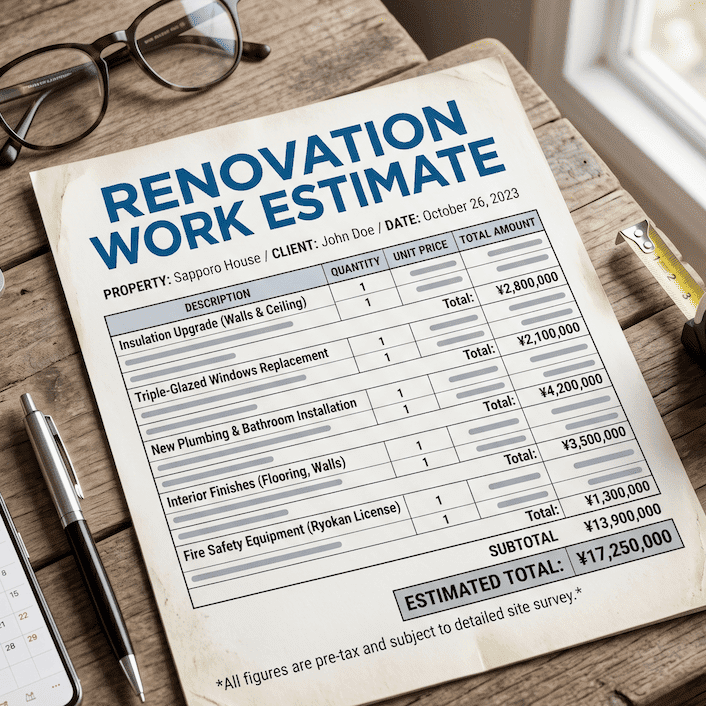
Rough cost guide for a full renovation (standard detached house, approximately 100m²):
- Insulation (walls, floors, ceiling): ¥2,000,000–¥3,000,000
- Window replacement: ¥1,500,000–¥2,500,000
- Entrance door replacement: ¥500,000+
- Plumbing (kitchen, bathroom, toilets): ¥3,000,000–¥4,500,000 Multiple installations typically required for vacation rental use
- Interior finishes (flooring, walls, fittings): ¥2,000,000–¥4,000,000
- Heating system replacement: ¥1,000,000–¥1,500,000 Cost varies depending on boiler type
- Fire safety equipment (Ryokan licensing only): ¥400,000–¥800,000
A full renovation will often exceed ¥17,000,000 — and in our experience, it’s safer to treat that as the minimum rather than the exception. Before deciding on a property, build your investment case around the total cost of purchase plus renovation. The purchase price alone tells you very little about whether the numbers actually work.
5. How do you find a reliable contractor in Hokkaido?
Very few contractors in Hokkaido operate in English. The best ones also tend to be booked well in advance — expecting to start work immediately after purchase is rarely realistic, and delays of several months are common.
Connecting with a trusted renovation coordinator and contractor network before purchase is the single most effective thing you can do to keep a project on track. For overseas owners in particular, having someone on the ground who can move things forward on your behalf makes an enormous difference.
The most common reasons renovation projects go wrong here: choosing based on price alone, communication breaking down, and timelines running to double the original estimate.
In closing: talk to someone who knows the ground before you buy
For anyone purchasing a Hokkaido property with vacation rental or investment in mind, understanding the renovation costs and licensing requirements before signing is what separates a smooth project from an expensive surprise. The hidden costs in Hokkaido properties are real — and please reach out to us first — we’ve spent years coordinating renovations across Hokkaido and are happy to help from the earliest stages.
At YOUBI DESIGN, we coordinate everything from property condition checks to contractor management, all in English, for overseas owners. We also work with a range of established vacation rental operators across Hokkaido, and can introduce you to the company that best fits your property, operating style, and budget. We’re happy to talk from the earliest stages of your search.
Thinking about a purchase, or want a realistic sense of renovation costs?
Start with a free consultation.